Why Pickles Last Longer Than Other Foods: The Science Behind Their Shelf Life
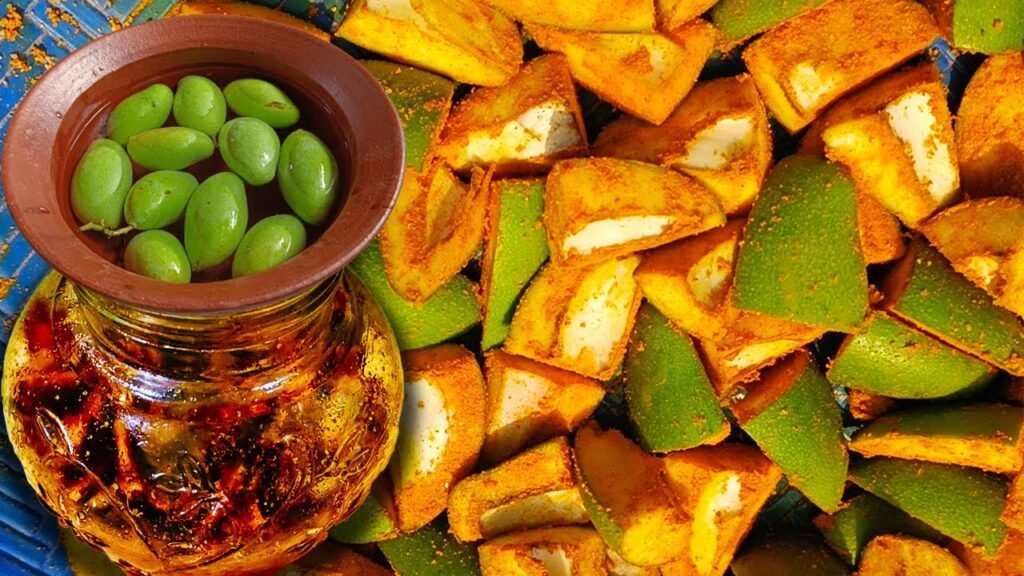
Pickles have been part of Indian kitchens for centuries – long before refrigeration or preservatives existed. While most foods spoil quickly, pickles remain fresh for months, sometimes even years, when stored properly.
So, what makes pickles different?
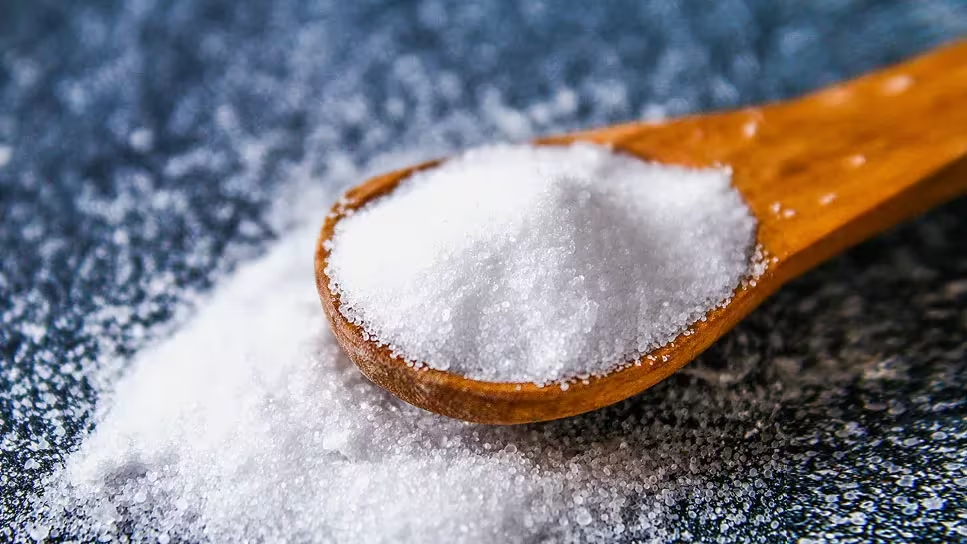
1. Natural Preservation Through Salt
Salt is the backbone of pickle preservation.
How salt works:
Draws moisture out of vegetables and fruits
Creates an environment where bacteria cannot survive
Slows down microbial growth
Prevents spoilage naturally
High moisture = faster spoilage.Pickles solve this with the right salt balance.
2. Acidity: The Power of Sour Ingredients
Pickles often use natural acidic elements such as:
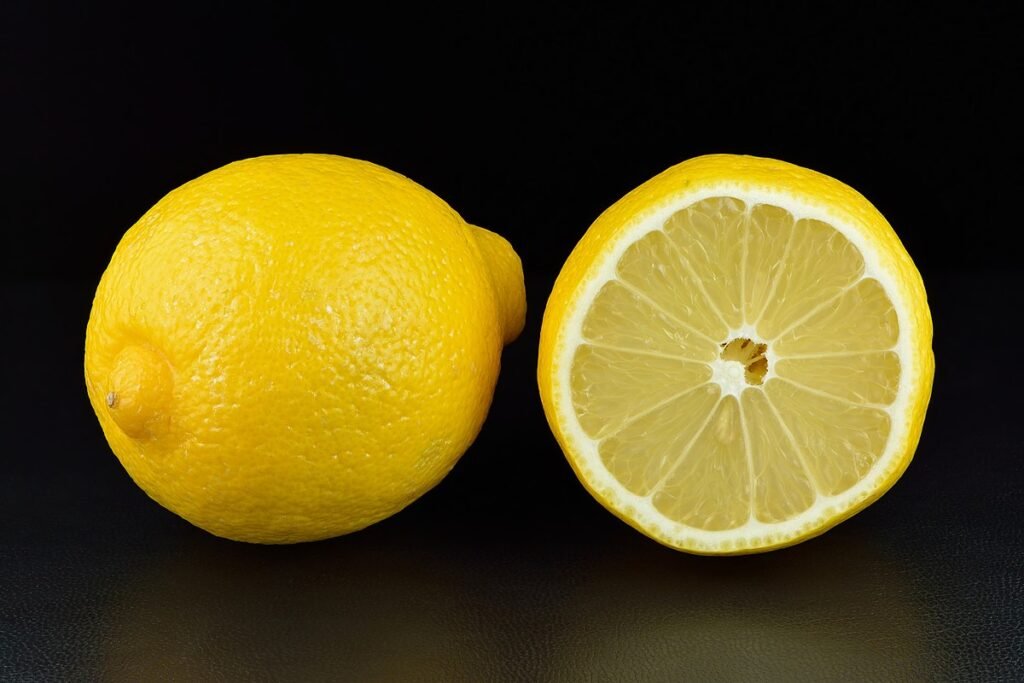
Lemon
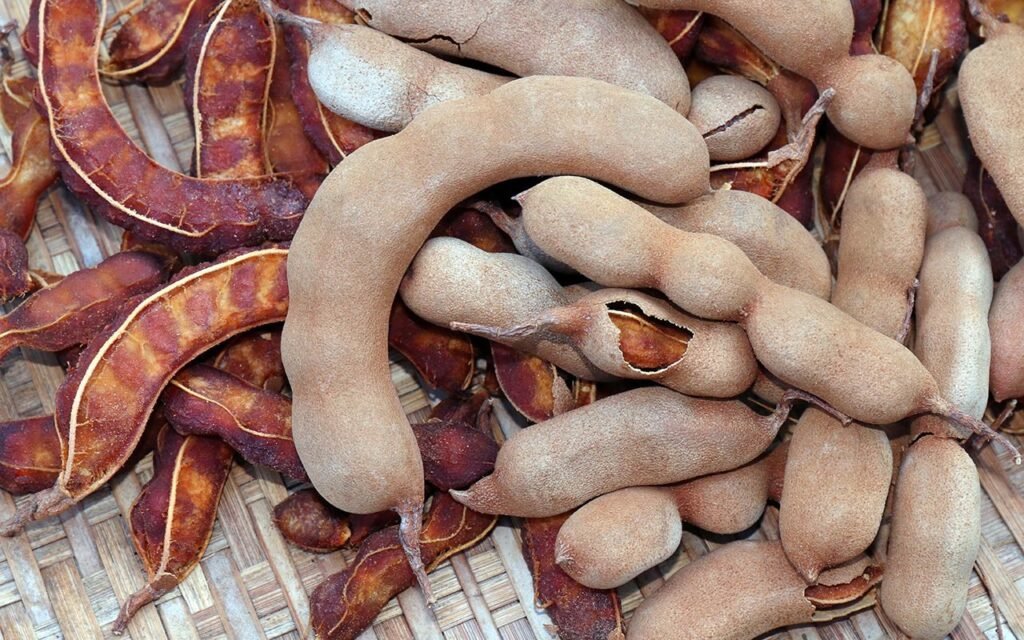
Tamarind
Vinegar
Raw mango
These acids:
Lower pH levels
Stop harmful bacteria from multiplying
Act as natural food preservatives
This acidic environment is one of the main reasons pickles stay safe for long periods.
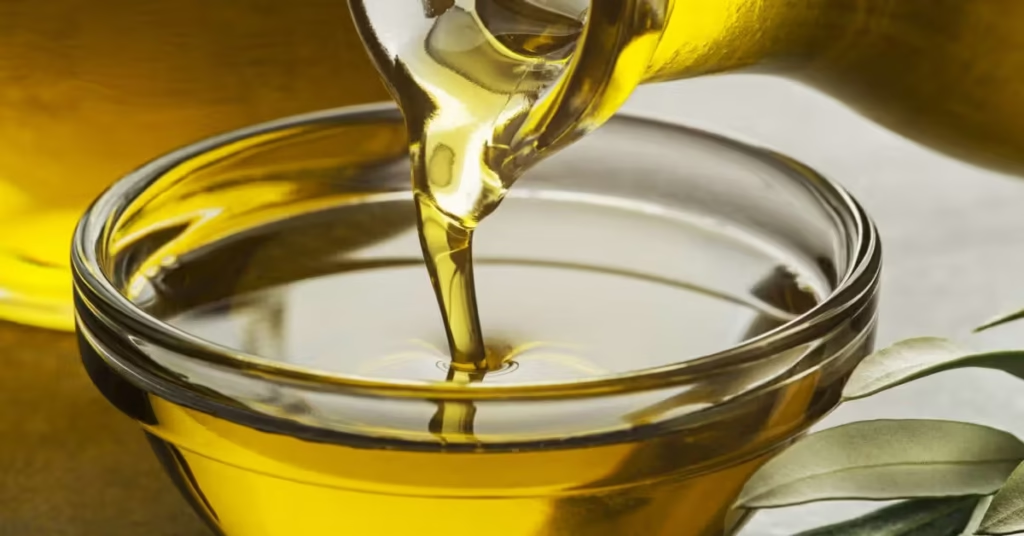
3. Oil Creates a Protective Barrier
In traditional Indian pickles, oil isn’t just for taste.
Oil helps by:
Forming a seal over the pickle
Preventing air and moisture from entering
Reducing oxidation
Locking in flavor and freshness
Mustard oil, sesame oil, or refined vegetable oils are commonly used depending on regional style.
4. Spices with Antimicrobial Properties
Pickles are rich in spices that naturally fight bacteria.
Common examples include:
Turmeric – antibacterial & antifungal
Mustard seeds – antimicrobial
Garlic – natural antibiotic
Chilli – inhibits microbial growth
Fenugreek – digestive & preservative
These spices work together to protect the pickle without artificial chemicals.
5. Low Water Activity
Most foods spoil because bacteria thrive in moisture.
Pickles:
Have reduced free water content
Are dehydrated partially using salt
Are soaked in oil or acidic medium
This creates low water activity, making it difficult for microorganisms to grow.
6. Fermentation (In Some Pickles)
Certain traditional pickles undergo natural fermentation.
Fermentation:
Produces beneficial acids
Encourages good bacteria
Suppresses harmful microbes
Enhances flavor and shelf life
This process was widely used before modern preservation techniques existed.
7. Proper Storage Practices
Shelf life also depends on how pickles are stored.
Best practices include:
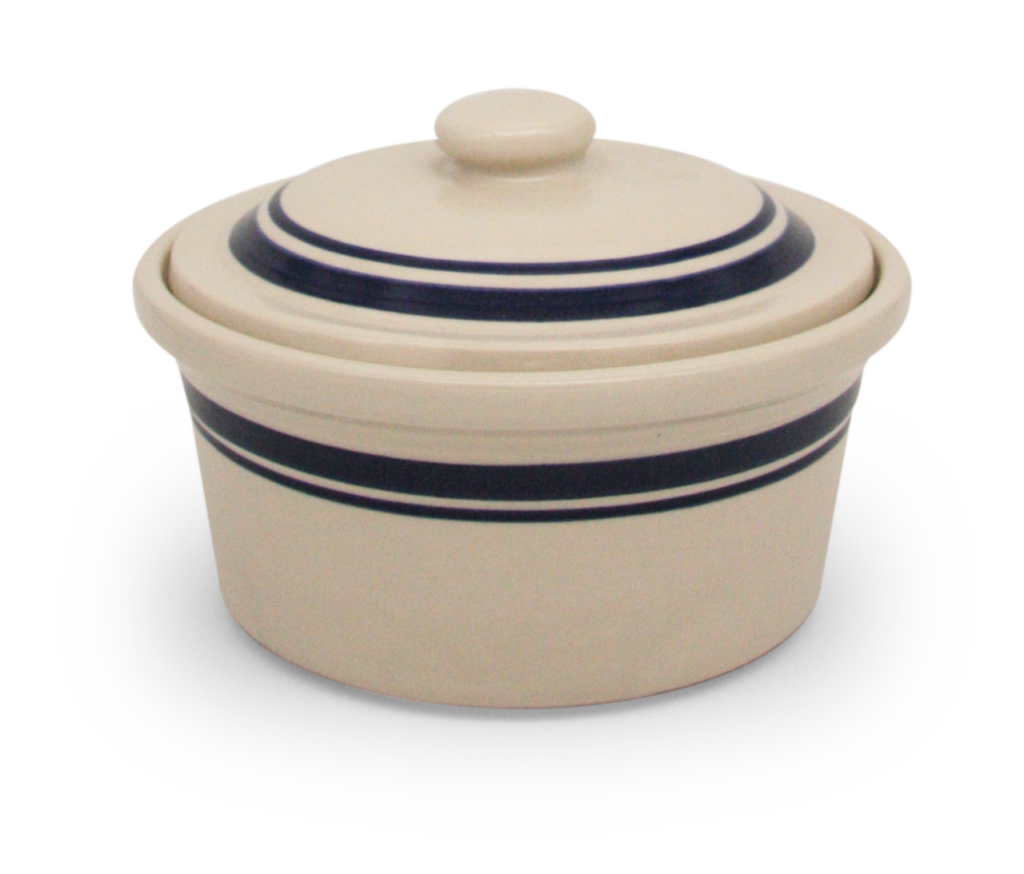
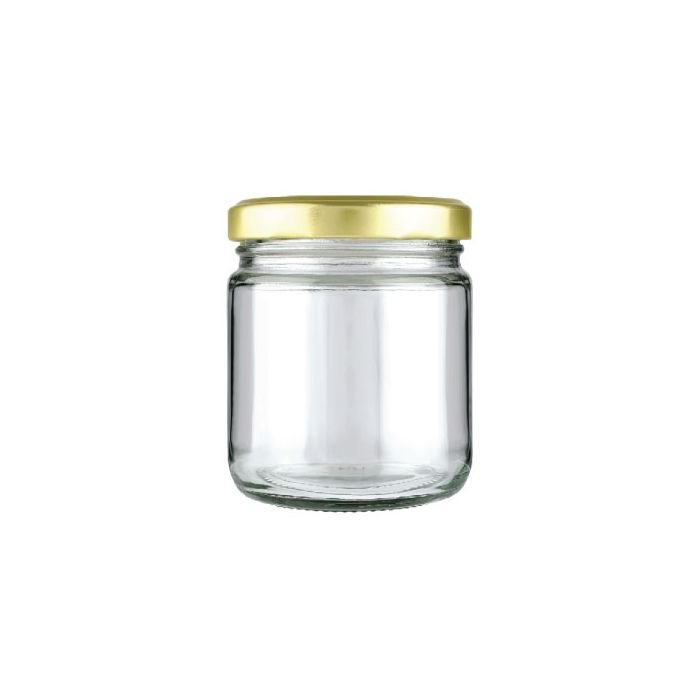
Airtight containers
Clean, dry spoons
No moisture contamination
Storage away from sunlight
When followed correctly, pickles remain safe and tasty for extended periods.
Why Pickles Outlast Most Foods (Quick Comparison)
Food Type
Shelf Life
Reason
Fresh fruits
Few days
High moisture
Cooked food
1–2 days
No preservation
Bread
Few days
Mold growth
Pickles
Months–years
Salt, oil, acid, spices
Are Long-Lasting Pickles Safe to Eat?
Yes, when prepared traditionally and stored properly.
Natural ingredients
Safe for regular consumption (in moderation)
Proven through generations
Always check for spoilage signs like unusual smell, mold, or excessive moisture.
Final Thoughts
Shelf life also depends on how pickles are stored.
Best practice
Pickles last longer than other foods not by accident – but by design. The perfect combination of salt, oil, acidity, spices, and tradition creates one of the most effective natural preservation systems in the world.That’s why pickles remain a staple across generations.
Airtight containers
Clean, dry spoons
No moisture contamination
Storage away from sunlight
When followed correctly, pickles remain safe and tasty for extended periods.