
Are Vegetarian Pickles Healthier? Science Explains
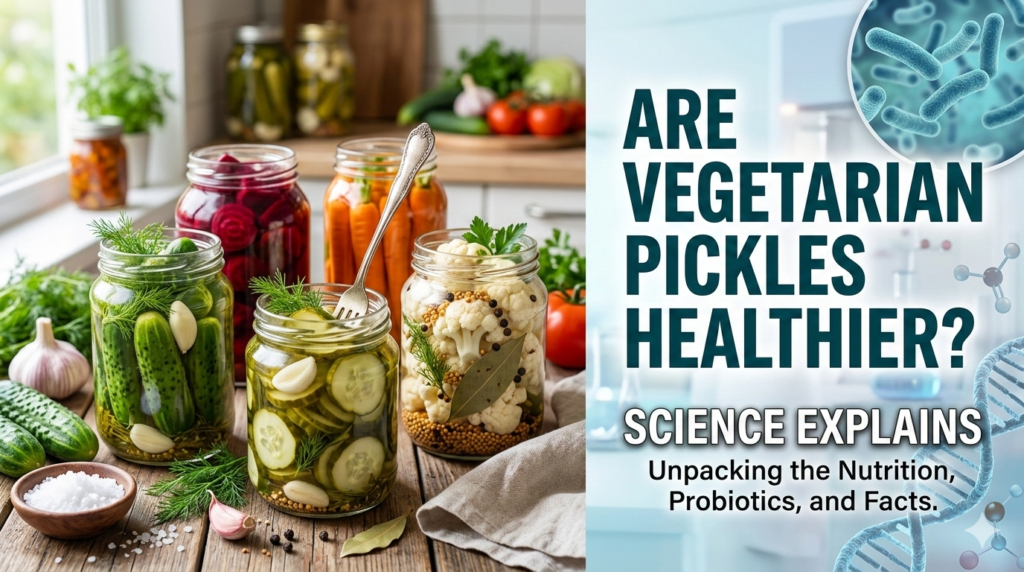
Pickles are a staple in Indian households. But when it comes to health, many people ask:
Are vegetarian pickles healthier than other types of pickles?
With growing awareness around clean eating, plant-based diets, and gut health, vegetarian pickles are gaining popularity—especially among health-conscious consumers and NRIs looking for traditional yet balanced options.
At Ganesh Pickles, we specialize in authentic Kerala-style vegetarian pickles made using time-tested methods. Let’s explore what science says about their health impact.
What Are Vegetarian Pickles?
Vegetarian pickles are made using:
- Fruits (mango, lemon, gooseberry)
- Vegetables (garlic, ginger, chilli)
- Natural spices
- Salt
- Oil
- Sometimes natural fermentation
They do not contain meat, fish, or seafood ingredients.
Their health value depends on:
- Ingredient quality
- Salt ratio
- Oil quantity
- Preparation method
- Portion control
Lower Risk of Contamination & Spoilage
Plant-based pickles generally have:
- Lower protein breakdown risks
- Reduced bacterial growth compared to meat-based pickles
- Longer natural shelf life
Since vegetables and fruits contain natural acids, they help create an environment that slows harmful microbial growth.
This makes vegetarian pickles comparatively more stable when traditionally prepared.
Rich in Antioxidants from Spices
Vegetarian pickles contain functional spices such as:
- Turmeric (anti-inflammatory)
- Mustard seeds (antimicrobial)
- Fenugreek (supports digestion)
- Garlic (immune support)
- Chilli (metabolism booster)
These spices are rich in antioxidants that help fight oxidative stress in the body.
Unlike plain salted foods, vegetarian pickles provide additional plant-based bioactive compounds.
Supports Digestion (When Consumed Moderately)
Traditional vegetarian pickles may support digestion due to:
- Natural acidity (from lemon or raw mango)
- Spice-induced stimulation of digestive enzymes
- Possible mild fermentation in certain recipes
Fermented vegetarian pickles can promote beneficial gut bacteria, improving digestive balance.
However, moderation is key.
No Animal Fat Content
Vegetarian pickles do not contain:
- Saturated animal fats
- Cholesterol from meat
- Seafood-based compounds
This makes them suitable for:
- Vegetarian diets
- Plant-based lifestyles
- Individuals limiting animal fat intake
The oils used (like sesame oil or vegetable oil) contain unsaturated fats instead.
Natural Preservation Without Chemicals
Traditional vegetarian pickles rely on:
- Salt
- Oil
- Acidity
- Antimicrobial spices
This natural preservation system reduces the need for artificial preservatives when prepared correctly.
At Ganesh Pickles, we follow authentic Kerala methods that focus on balance rather than chemical additives.
Calorie & Sodium Consideration
Are vegetarian pickles automatically healthy?
Not always.
They still contain:
- Salt
- Oil
- Spices
Excess consumption can lead to:
- High sodium intake
- Increased blood pressure
- Extra calorie intake
That’s why portion control matters.
Healthy approach:
✔ 1–2 teaspoons per meal
✔ Pair with balanced meals
✔ Avoid overeating
Vegetarian vs Non-Vegetarian Pickles: Quick Comparison
Factor | Vegetarian Pickles | Non-Vegetarian Pickles |
Animal fat | No | Yes |
Cholesterol | No | Possible |
Shelf stability | High | Moderate |
Digestive support | Good (spices + acids) | Limited |
Risk of spoilage | Lower | Higher |
This does not mean non-vegetarian pickles are unhealthy—but vegetarian options are generally lighter and easier to digest.
Are Vegetarian Pickles Good for Daily Consumption?
Yes, if:
✔ Consumed in small portions
✔ Made traditionally
✔ Stored properly
✔ Balanced with a nutritious diet
They can enhance appetite, support digestion, and add flavor without overwhelming your system.
Are Vegetarian Pickles Healthier?
Yes — when prepared traditionally and consumed in moderation.
They offer:
- Plant-based ingredients
- Antioxidant-rich spices
- Digestive support
- Natural preservation
- No animal fat
But like any preserved food, balance is essential.
The healthiest pickle is one made with quality ingredients, traditional methods, and eaten mindfully.